
South Puget Sound
Quiet inlets, island parks, and the soul of the southern Sound
explore Explore on MapLocations in South Puget Sound
Marinas9
Marine Parks5
Anchorages3
Tide Stations 26
Current Stations 22
Trips in South Puget Sound

About the South Puget Sound
Getting There
South Puget Sound begins where the Tacoma Narrows ends. Once you clear the Narrows and its fierce currents, the water opens into a network of inlets, islands, and bays that extends south to Olympia. From Seattle, plan on a full day’s cruise to reach the southern destinations. From Tacoma or Gig Harbor, you are already on the doorstep.
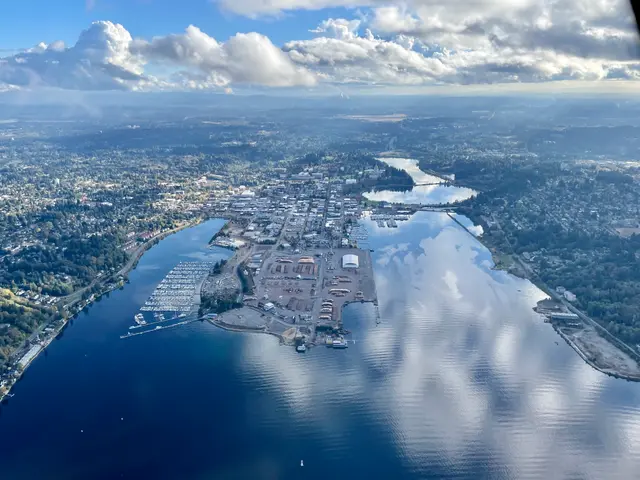
The main route south follows Colvos Passage between Vashon Island and the Kitsap Peninsula, or you can take the eastern route past Point Defiance and down the Nisqually Reach. From the Narrows, most cruisers head for either the Key Peninsula’s marinas or the Harstine Island marine parks. Olympia sits at the very end of Budd Inlet, roughly 30 nautical miles south of Seattle as the crow flies, but considerably more by water given the winding geography.
There is no single dramatic passage to navigate. Instead, the challenge of South Sound is its branching complexity. Inlets fan out in every direction, and the chart becomes your best friend as you thread between shallows and drying flats at the heads of the bays.
When to Go
Peak season is July through September. Even at peak, South Sound feels uncrowded compared to the San Juan Islands. Marine park buoys at Jarrell Cove and Hope Island are first-come, first-served and can fill on summer weekends, but midweek you will almost always find space.
May and June bring longer days and increasingly settled weather. Water temperatures are still cold, but the scenery is at its greenest and the oyster beds are in season. South Sound is one of the best early-season cruising grounds in the Pacific Northwest because its protected waters stay calm even when the straits are still building whitecaps.
Fall cruising (September through October) is hard to beat here. The rain has not yet set in earnest, summer crowds have evaporated, and the marine parks are yours. Fog can settle into the inlets on fall mornings, burning off by mid-morning into glassy calm conditions.
Winter is for locals who know the weather patterns. Several marinas stay open year-round, and the hardy boater who watches the forecast can steal perfect weekends between storms. Olympia’s Swantown Marina makes a good winter base with shore power and easy provisioning.
Currents & Tide Planning
South Puget Sound has milder currents than the San Juans or the Strait, but tidal range is significant. The southern end of the Sound sees some of the largest tidal swings in the region, with spring tides reaching 15 feet or more at Olympia. This matters for three reasons:
Anchoring depths change dramatically. That comfortable 3-fathom anchorage at high tide may leave you in barely a fathom at low water. Always calculate your scope for low tide, not the depth when you drop the hook.
Drying flats and shallows are extensive. The heads of many inlets go dry or nearly so at extreme low tides. Budd Inlet, Eld Inlet, and Totten Inlet all have areas where a careless approach at low water will put you on the mud.
The Tacoma Narrows current affects your entrance. Getting into and out of South Sound means transiting the Narrows, where currents can exceed 5 knots. Time your passage for slack or a fair current. A flood tide carries you south into South Sound; an ebb carries you north back toward Tacoma and Seattle.
What Makes It Special
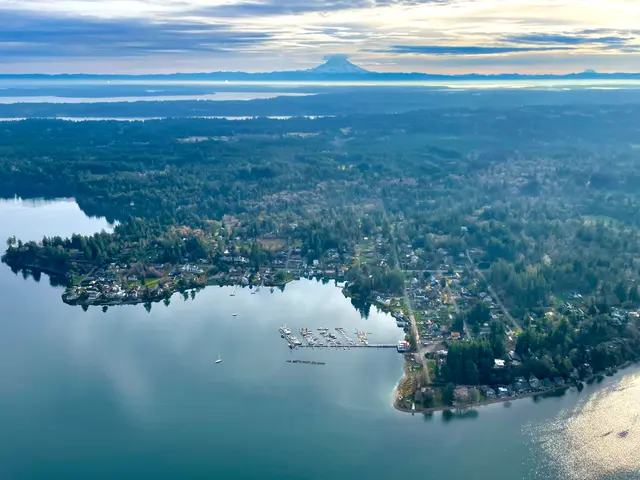
South Sound is the antidote to crowded cruising. While the San Juan Islands draw the majority of Pacific Northwest cruising traffic, the southern reaches of Puget Sound offer a genuinely different experience. The pace is slower. The anchorages are emptier. The forests come down to the water’s edge, and on a weeknight in September you may be the only boat in a cove that feels a hundred miles from civilization.
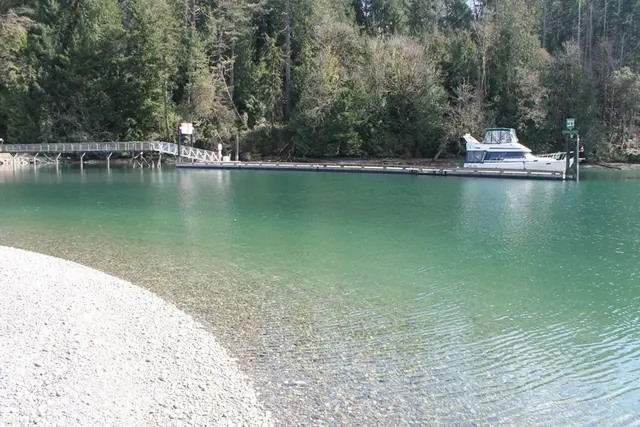
The marine parks here are smaller and more intimate than their northern counterparts. Jarrell Cove’s narrow entrance opens into a basin so protected that the water barely ripples. McMicken Island’s sand spit, walkable only at low tide, connects you to Harstine Island for a hike that feels more like the Maine coast than the Pacific Northwest. Hope Island is a complete surprise for first-time visitors, an undeveloped gem accessible only by boat.
The Key Peninsula forms the western spine of this cruising ground, separating Case Inlet from Carr Inlet. Its marinas at Longbranch and Lakebay are community-run, unpretentious, and genuinely welcoming. You will not find trendy waterfront restaurants or boutique provisioning here. What you will find is dock space, local knowledge freely shared, and the feeling of being part of something smaller and more authentic.
For boaters based in the central or southern Sound, this is weekend cruising at its best: close enough for a two-day trip, varied enough for a full week, and quiet enough that you will wonder why more people do not come here.