
Locations in Hood Canal
Marinas5
Marine Parks5
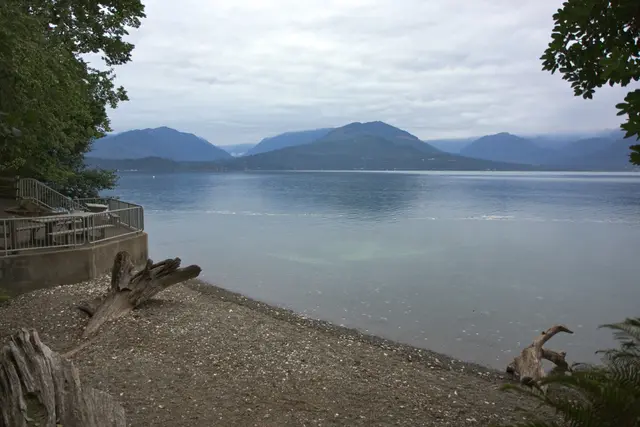
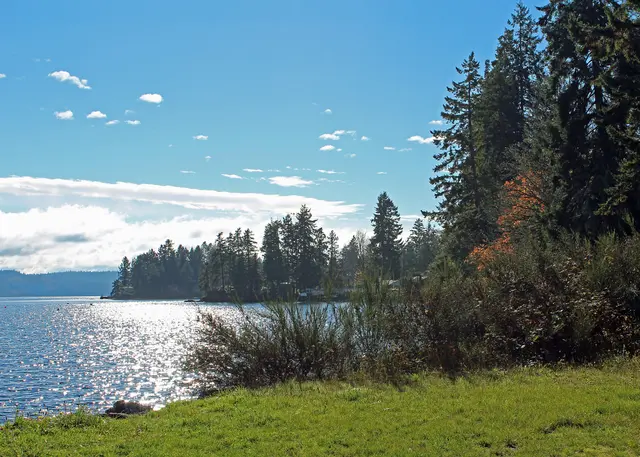
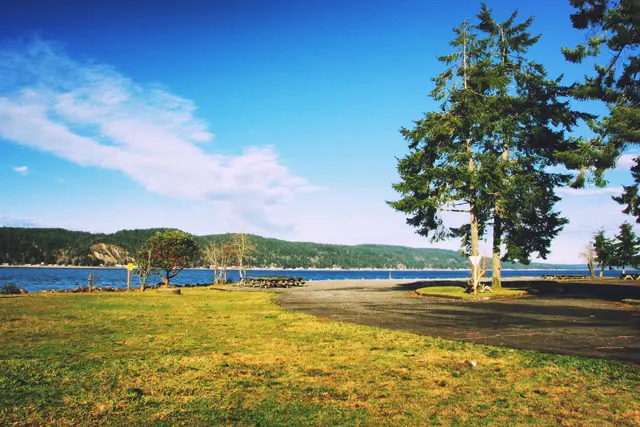
Anchorages5
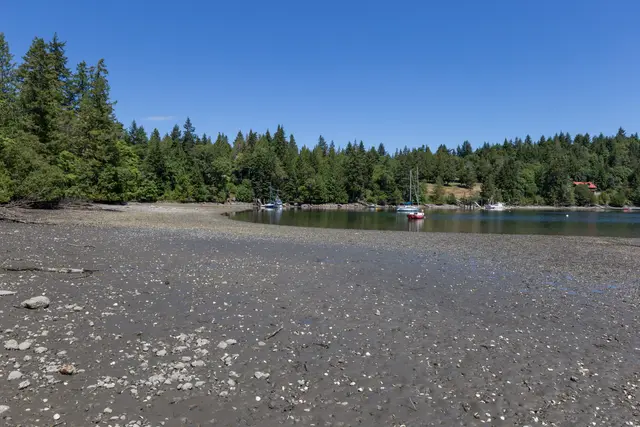
Public Docks4
Tide Stations 27

About the Hood Canal
Getting There
Hood Canal begins just west of the Kitsap Peninsula. Most boats enter from the north, passing under the Hood Canal Floating Bridge (State Route 104). The bridge has a vertical clearance of approximately 50 feet in its fixed spans, and the draw span opens on schedule and by request. Check current bridge status before departing, as closures for maintenance or military submarine transits do occur. From Seattle, the run to the bridge is roughly 30 nautical miles via Puget Sound and Admiralty Inlet. Boats coming from the south can reach the Great Bend area from Olympia or Tacoma via Case Inlet and Pickering Passage, though most cruisers prefer the northern approach.
When to Go
Hood Canal is a three-season destination. Summer (June through September) brings warm, calm days and the best conditions for anchoring out. Water temperatures in the southern canal can reach the mid-60s, warm by Pacific Northwest standards. Spring and fall offer fewer crowds and dramatic lighting, but be prepared for rain and occasional strong southerlies that can funnel up the canal. Winter cruising is possible but less common; low-angle sun on the Olympic peaks can be spectacular on clear days.
The canal is notably less crowded than the San Juan Islands at the height of summer. If you want to get away from the flotilla, this is your fjord.
Currents & Tide Planning
Hood Canal is not a high-current environment in the way Deception Pass or the San Juans are. Tidal exchange is modest, with currents rarely exceeding one knot in the main channel. However, the southern canal near the Great Bend can see stronger flows on big tide swings, and the shallow areas around Quilcene Bay and Dabob Bay require attention to tide height.
The bigger concern is depth. Several anchorages and park approaches shoal significantly at low water. Carry up-to-date charts and pay attention to the tide tables, especially if you draw more than five feet. The Hood Canal Bridge area can see confused seas when a strong ebb meets a northerly wind.
What Makes It Special
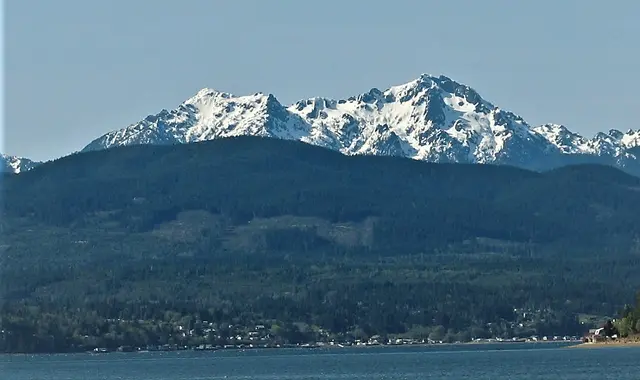
Hood Canal is the quieter side of Puget Sound cruising. While everyone else is jockeying for mooring buoys in the San Juans, you can have an entire bay to yourself here, with the snow-capped Olympics as your backdrop. The canal is known for its oysters and clams; shellfish harvesting is a genuine highlight, though you will need a license and should always check the Department of Health’s biotoxin hotline before eating anything you pull from the beach.
Bald eagles are everywhere. Harbor seals haul out on rocky points. The Dosewallips and Hamma Hamma rivers bring salmon runs that attract wildlife from the surrounding national forest. Several marinas double as trailheads for hikes into the Olympic backcountry, making Hood Canal one of the few cruising grounds where you can go from the helm to an alpine trail in the same afternoon.
The canal’s resort marinas at Alderbrook and Pleasant Harbor add a touch of comfort to what is otherwise a refreshingly unpolished cruising experience. Bring your crab pots, your kayak, and a good pair of rubber boots.